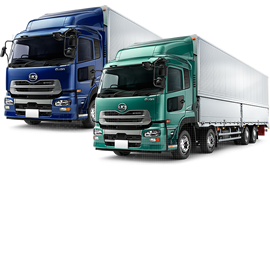
In today’s fast-paced world, where consumers expect same-day or even same-hour deliveries, last-mile delivery has emerged as a crucial focus area for logistics and e-commerce companies. As the final and most expensive leg of the delivery journey, last-mile delivery demands efficiency, speed, and innovation. Fortunately, modern technologies and creative business models are stepping up to meet this challenge.
From delivery drones to autonomous robots and crowd-shipping alternatives, last-mile innovation is reshaping the way packages reach customers. In this blog post, we explore the key technologies transforming the logistics landscape and how businesses can leverage these advancements for faster, cheaper, and more sustainable deliveries.
What Is Last-Mile Delivery?
Last-mile delivery refers to the final step in the supply chain where a product is transported from a distribution hub to the end customer. This stage is often the costliest and most time-consuming, accounting for up to 53% of total shipping costs. Common issues include traffic congestion, failed deliveries, high fuel costs, and unpredictable consumer availability.
To tackle these problems, companies are investing in smart solutions like drones, ground-based delivery robots, and crowd-sourced delivery networks. These innovations are especially important in urban areas, where traditional delivery vehicles struggle with delays and parking limitations.
Drones: Taking Delivery to the Skies
Delivery drones are unmanned aerial vehicles (UAVs) designed to transport lightweight packages over short distances. They offer fast, eco-friendly, and contactless delivery—making them ideal for time-sensitive goods like medical supplies, food, or e-commerce packages.
Benefits of drone delivery:
- Speed: Bypasses road traffic for quicker delivery.
- Accessibility: Reaches remote or hard-to-access locations.
- Eco-friendly: Reduces carbon emissions compared to fuel-based vehicles.
- Contactless: Ideal during health crises like pandemics.
Companies like Amazon (Prime Air), Zomato, and Dunzo have tested drone delivery models, while regulatory bodies are gradually opening up airspace for commercial UAV operations in countries like India, the U.S., and Australia.
Delivery Robots: Ground-Level Automation
Autonomous delivery robots are small, wheeled machines designed to navigate sidewalks, crosswalks, and low-traffic roads to deliver parcels directly to consumers. Equipped with GPS, cameras, and sensors, these robots can detect obstacles, pedestrians, and traffic signals in real-time.
Key advantages:
- Cost-efficient: Reduces reliance on human couriers.
- Scalable: Ideal for repetitive, short-distance urban deliveries.
- Secure: Packages are locked and can only be accessed by the recipient.
- Eco-friendly: Powered by electricity or rechargeable batteries.
Startups like Starship Technologies and Kiwibot are leading the way, with successful trials in university campuses, corporate parks, and residential neighborhoods.
Crowd-Shipping: The Power of Community
Crowd-shipping is a shared delivery model that leverages everyday travelers or gig workers to deliver packages along their route. Think of it as ride-sharing for parcels. Platforms connect shippers with people already en route to the delivery destination, making the process faster and more cost-effective.
Advantages of crowd-shipping:
- Cost savings: Utilizes existing journeys to reduce logistics expenses.
- Scalability: Expands delivery network without large fleet investments.
- Flexibility: Offers faster or more personalized delivery windows.
- Community engagement: Empowers locals to earn while delivering.
Popular platforms like Roadie, Deliv, and Uber Connect have successfully implemented crowd-shipping models in various markets.
Overcoming Challenges in Last-Mile Innovation
While these innovations offer exciting opportunities, several challenges still need to be addressed:
- Regulatory hurdles (especially for drones and robots)
- Safety and security concerns
- High initial investments in tech and infrastructure
- Public acceptance and trust
To scale successfully, companies must collaborate with local authorities, invest in robust technology platforms, and educate consumers about the benefits of these new delivery methods.
Future Outlook: Hybrid Models & Smart Logistics
The future of last-mile delivery will likely involve a hybrid approach—combining traditional couriers, smart lockers, drones, robots, and crowd-sourced methods for optimal efficiency. AI and machine learning will play a key role in route optimization, real-time tracking, and customer communication.
Moreover, smart cities and 5G networks will enhance connectivity, enabling faster response times and seamless coordination between delivery modes.
Conclusion
The rise of drones, robots, and crowd-shipping alternatives marks a new era of last-mile innovation. By embracing these technologies, businesses can reduce costs, increase customer satisfaction, and build more sustainable logistics systems. As consumer expectations continue to evolve, staying ahead in the last-mile game will be essential for e-commerce, logistics, and retail success.