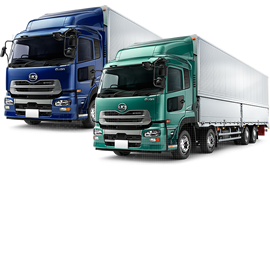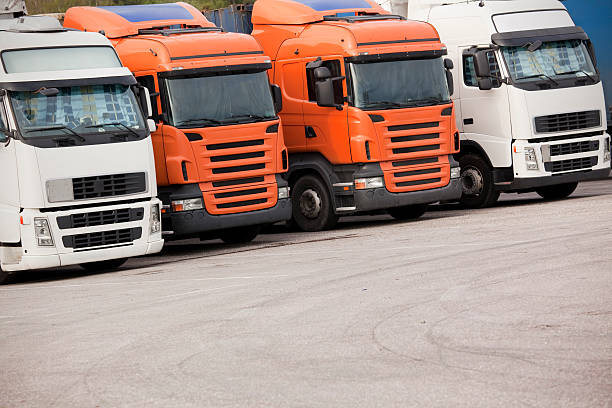
India’s freight and logistics sector is undergoing a monumental transformation, with the development of Multi-Modal Logistics Parks (MMLPs) emerging as a key driver of change. These integrated logistics hubs are designed to streamline cargo movement, reduce logistics costs, and enhance supply chain efficiency by bringing together various modes of transport—road, rail, air, and waterways—under one roof.
As India pushes towards becoming a $5 trillion economy, investments in infrastructure like MMLPs are crucial to support trade, reduce bottlenecks, and boost overall freight efficiency. In this blog, we will explore what multi-modal logistics parks are, their benefits, how they are shaping the future of logistics in India, and why they are truly a game-changer for India’s freight ecosystem.
What Are Multi-Modal Logistics Parks?
Multi-Modal Logistics Parks (MMLPs) are large-scale freight handling and distribution hubs that integrate different modes of transport and offer a wide range of value-added services like warehousing, cold storage, packaging, and container terminals.
These parks are strategically located near industrial corridors, highways, and major rail or port networks to facilitate the seamless movement of goods across regions. The core aim is to shift freight transport from road-heavy systems to more efficient and eco-friendly multi-modal networks.
MMLPs are a part of the Bharatmala Pariyojana, the Government of India’s flagship road and infrastructure program, aimed at improving freight efficiency and reducing logistics costs from 13-14% of GDP to under 10%.
Why India Needs Multi-Modal Logistics Parks
India’s logistics sector has long suffered from inefficiencies due to fragmented supply chains, lack of integrated infrastructure, high reliance on road transport (over 60%), and underutilized rail and water transport.
Key issues include:
- Congestion at ports and highways
- High inventory holding costs
- Delays in freight transfer
- Limited warehousing and cargo-handling infrastructure
- Lack of coordination among transport modes
MMLPs are designed to address these issues by creating centralized logistics hubs that offer faster, cleaner, and more reliable freight movement, benefiting manufacturers, retailers, exporters, and logistics providers alike.
Major Benefits of Multi-Modal Logistics Parks
- Reduced Logistics Costs
MMLPs encourage the shift from road to more cost-effective rail and waterways for long-haul transport, cutting down fuel consumption and reducing transit costs. - Enhanced Freight Efficiency
Integration of various transport modes ensures smoother cargo transfer, reduced delays, and optimized routes—especially for long-distance hauls. - Improved Infrastructure and Warehousing
These parks come equipped with state-of-the-art warehousing, cold chain facilities, and value-added services like labeling, packaging, and customs clearance—all in one place. - Reduced Carbon Footprint
By enabling rail and water-based freight, MMLPs significantly lower emissions and promote green logistics. - Boost to Economic Growth
MMLPs improve market connectivity, support industrial clusters, and generate employment, contributing to regional and national economic development.
Government Initiatives and Key MMLP Projects
The Indian government, through the Ministry of Road Transport and Highways (MoRTH) and the National Highways Logistics Management Limited (NHLML), is developing 35 MMLPs across the country under a Public-Private Partnership (PPP) model.
Some of the notable MMLP projects include:
- MMLP Bengaluru (Karnataka): Being developed on 400 acres in Dabaspet near Bengaluru, this is the first MMLP under the Bharatmala Pariyojana.
- MMLP Chennai (Tamil Nadu): Positioned to support the southern industrial corridor with road-rail connectivity.
- MMLP Guwahati (Assam): Expected to boost logistics in Northeast India with linkages to Bhutan and Bangladesh.
- MMLP Nagpur (Maharashtra): Centrally located, providing pan-India logistics access.
These parks are strategically aligned with Dedicated Freight Corridors (DFCs) and major national highways, ensuring faster cargo movement and connectivity to ports and airports.
Challenges in Implementation
While the vision for MMLPs is promising, several challenges remain:
- Land acquisition delays
- Complex approval processes
- Funding and investment gaps
- Lack of private sector participation in some regions
- Need for digital infrastructure and real-time freight monitoring
Addressing these issues will be essential for the timely and successful rollout of India’s multi-modal logistics infrastructure.
The Future of Logistics in India
With the National Logistics Policy emphasizing integration, digitization, and sustainability, MMLPs will play a pivotal role in modernizing India’s supply chain ecosystem. They will also support key initiatives like Make in India, Atmanirbhar Bharat, and PM Gati Shakti, which aim to improve connectivity and reduce the cost of doing business.
In the coming years, India’s freight movement will become more predictable, tech-driven, and environmentally conscious, thanks in large part to the implementation of MMLPs.
Conclusion
India’s Multi-Modal Logistics Parks are not just infrastructure projects—they are the foundation of a smarter, more resilient logistics network. By integrating road, rail, air, and waterways, these parks are set to revolutionize freight efficiency, reduce costs, and enhance the competitiveness of Indian businesses.
As the backbone of the next-gen logistics ecosystem, MMLPs will shape the future of supply chain operations in India, turning the country into a global logistics hub.